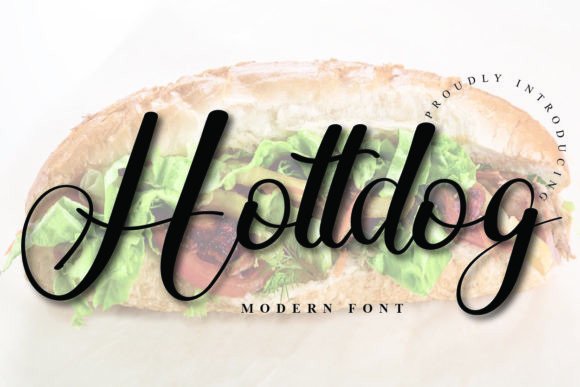
Hottdog: A Versatile Script Font for Web Design
Hottdog is a fresh and casual handwritten font that brings a sense of authenticity and approachability to digital projects. As a script font, it offers the right balance between elegance and readability, making it ideal for a variety of web design applications. Whether you're working on a creative portfolio, an online store, or a brand-focused landing page, Hottdog can help shape your visual identity with its unique character.
Visual Characteristics and Personality
Hottdog has a relaxed, handwritten feel that mimics natural pen strokes. Its curves and fluid lines give it a friendly and personal touch, which is especially useful in branding that wants to communicate warmth and approachability. The font's subtle variations in stroke thickness add depth without overwhelming the eye, ensuring that it remains legible even at smaller sizes.
This font is particularly well-suited for use in headers, call-to-action buttons, and decorative accents. Its style complements modern typography trends while maintaining a classic handwritten charm that feels both nostalgic and contemporary.
Applications in Web Design
Hottdog shines in scenarios where a more personal and expressive typeface is needed. It works exceptionally well as a hero title on landing pages, adding a human touch to otherwise technical or sales-driven content. When used in online shop banners, it can help create a more inviting and trustworthy atmosphere, encouraging users to explore products.
In blog headers or course pages, Hottdog can serve as a visual anchor, guiding readers through content with a clear and engaging hierarchy. For digital ads or social media graphics, it adds a layer of creativity that stands out from generic sans-serif fonts.
Readability and Visual Hierarchy
While script fonts are often associated with being less readable than sans serif or serif fonts, Hottdog manages to maintain clarity even in digital environments. Its clean lines and consistent spacing make it easier to scan, especially when used in short phrases or section headings.
When designing for mobile screens, it's important to test Hottdog at different sizes to ensure it remains legible. Pairing it with a simpler sans serif font for body copy can enhance readability while maintaining a cohesive design language. This combination allows Hottdog to act as a display font, drawing attention to key messages without sacrificing usability.
Brand Tone and User Engagement
The choice of font can significantly impact how a brand is perceived. Hottdog’s casual and friendly appearance aligns well with brands that aim to feel personable and approachable. It can be particularly effective for coaching websites, boutique stores, or creative portfolios where building a connection with the audience is essential.
Using Hottdog consistently across a website—whether in headers, logos, or promotional banners—helps reinforce brand recognition. Its presence in various design elements contributes to a unified and professional look, enhancing user trust and engagement.
Font Pairing and Design Assets
For optimal results, consider pairing Hottdog with a complementary font. A clean sans serif font like Helvetica or Arial can provide contrast and improve readability, especially for long-form content. Alternatively, a serif font such as Georgia or Times New Roman can offer a more traditional and editorial feel, suitable for blogs or magazines.
When selecting font pairings, pay attention to weight, spacing, and overall rhythm. Ensuring that Hottdog doesn’t clash with other text elements will keep your design visually balanced and easy on the eyes.
Practical Considerations for Web Use
Before implementing Hottdog into a project, check the available styles, weights, and file formats. Webfont availability is crucial for ensuring smooth performance across different devices and platforms. If the font supports multiple languages, it becomes even more versatile for international audiences.
Also, consider commercial licensing requirements. If you're using Hottdog for client projects, online stores, or digital templates, ensure that the license covers all intended uses. This helps avoid legal issues and ensures that your design assets remain compliant with copyright laws.
Example Uses for Hottdog
- Creative Portfolio: Use Hottdog for project titles and section headers to convey a personal and artistic brand identity.
- Boutique Online Store: Incorporate it into product banners or promotional sections to create a warm and welcoming atmosphere.
- Coaching Website: Apply it to headlines and call-to-action buttons to build rapport with visitors.
- Course Sales Page: Highlight key features and benefits with Hottdog to make the content more engaging and relatable.
- Digital Brand Kit: Integrate it into logo designs, marketing materials, and social media assets for a cohesive brand presence.
Whether you're designing for a small business or a large-scale digital product, Hottdog provides a flexible and expressive option that enhances both aesthetics and functionality. By thoughtfully applying this script font to your web projects, you can create compelling experiences that resonate with your audience and reflect your brand’s personality effectively.